
The five factors that set the price
Each factor can move a quote on its own.
| Factor | Lower cost | Higher cost |
|---|---|---|
| Toilet | Standard round bowl, two-piece | Comfort-height, one-piece, wall-hung or bidet seat |
| Flange and floor | Sound flange, solid floor | Broken flange or soft subfloor |
| Shutoff and supply | Existing valve works | Seized valve, new line or valve needed |
| Access | Open bathroom | Tight room, upper floor, no elevator |
| Timing | Scheduled weekday | After-hours emergency |
What a proper installation includes
A good job is more than setting a bowl.
- Shutting off water and draining the old toilet.
- Removing the old toilet and the old wax ring.
- Checking the flange for cracks and level.
- Setting the new toilet on a new wax ring or gasket.
- Tightening the bolts evenly so the china does not crack.
- Connecting a new supply line and checking the shutoff valve.
- Testing the flush and looking for leaks at the base.
Flanges and floors: the hidden cost
The flange is the ring on the floor that the toilet seats on. If it is cracked, rusted or too low, the toilet rocks or leaks. Repair ranges from a repair ring to replacing a section of pipe. Water at the base for a long time can rot the subfloor. We look before quoting and tell you what we find. If the toilet is leaking now, see toilet repair.
Choosing a toilet that fits
Measure the rough-in, which is the distance from the wall to the center of the drain. Twelve inches is common, but older homes vary. A toilet with the wrong rough-in will not fit. Bowl shape and height also matter. An elongated bowl is roomier, and comfort height suits many adults.
Doing it yourself versus a plumber
A swap of a sound toilet is a manageable DIY job for a handy person. The risks are cracking the china, a bad seal that leaks into the floor, and discovering a damaged flange midway. If you have an upstairs bathroom, a condo below you or an unfamiliar flange, a plumber is the safer path.
When a toilet job turns into something else
If a new toilet backs up, or the water in the base rises when another fixture drains, the toilet was not the problem. See drain cleaning for clogs that involve more than one fixture.
How the parts seal
The toilet bowl seals to the flange with a wax ring or a rubber gasket. The tank bolts to the bowl with a gasket between them, and the supply line connects through a shutoff valve. Each seal is a place for a leak if it is rushed. Over-tightening bolts cracks the china, and under-tightening lets the toilet rock and break the wax seal.
Flush ratings and water use
Toilets made today use far less water than older ones. Federal rules cap new toilets at 1.6 gallons per flush, and models labeled WaterSense use 1.28 gallons or less. A modern unit saves water every day, which can show up on your bill. A toilet from before the 1990s used much more, so the swap often pays back over time.
Bidet seats and outlets
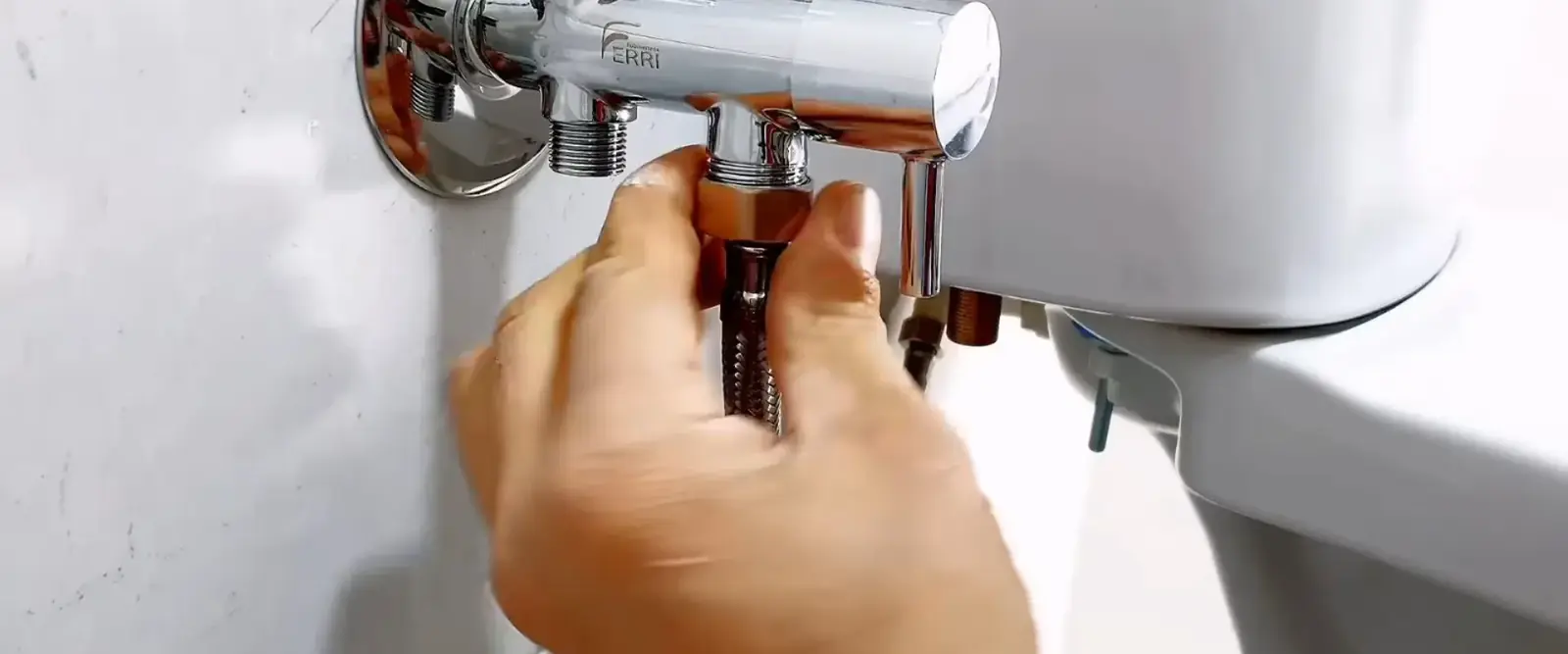
An electric bidet seat needs a nearby outlet, and a bathroom outlet must be protected by a ground-fault device. Water supply for the seat needs a T fitting on the shutoff. If there is no outlet, an electrician adds one, and that cost is separate from the plumbing.
What to ask in a quote
Compare quotes line by line.
- Is the toilet included or supplied by me?
- Does the price include a new wax ring, bolts and supply line?
- What happens if the flange or floor is damaged?
- Is haul-away of the old toilet included?
- Is there a different rate for evenings or weekends?